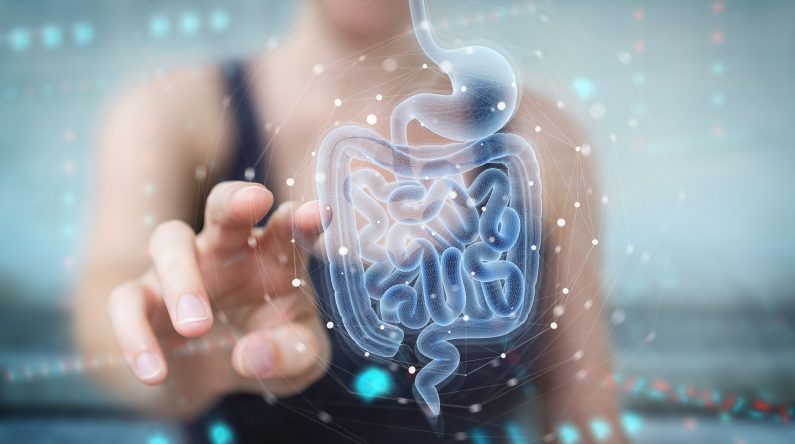
Introduction: Gut health is about much more than digestion
When people hear the phrase “gut health”, they often think about bloating, reflux, constipation or food reactions.
But the gut plays a much broader role than digestion alone.
It influences:
- immune regulation
- nutrient absorption
- hormone metabolism
- inflammation
- nervous system signalling
- energy production
- mood and resilience
This is why gut health is often so relevant when someone is dealing with multiple, seemingly unrelated symptoms.
The gut is a central communication hub
Your digestive system is constantly interacting with other systems.
The gut and immune system
A large proportion of immune activity occurs in and around the gut. If the gut environment is disrupted, immune signalling may also become dysregulated.
The gut and the brain
The gut and brain communicate through the nervous system, hormones, immune signals and microbial by-products. This is one reason digestive issues and mood or cognitive symptoms often overlap.
The gut and hormones
The gut helps influence hormone metabolism and elimination. If gut function is altered, hormonal patterns may also be affected.
How poor gut function can affect the wider body
1. Nutrient absorption may be reduced
Even a well-structured diet may not support optimal health if nutrients are not being broken down, absorbed or used effectively.
2. Inflammatory signalling may increase
An imbalanced gut environment can contribute to low-grade inflammation, which may influence energy, skin, sinuses, immune function and hormonal symptoms.
3. Symptom overlap becomes more likely
When the gut is under strain, people may notice:
- fatigue
- brain fog
- low resilience
- food reactivity
- skin flare-ups
- hormonal changes
- increased sensitivity to stress
Why gut health is often a foundational area of focus
This does not mean the gut is always the only issue. It simply means it often plays an important role in the broader pattern.
Supporting gut health may help improve:
- digestive comfort
- nutrient status
- immune balance
- inflammatory load
- day-to-day energy and wellbeing
Simple ways to support gut health
Depending on your individual needs, supportive strategies may include:
- improving meal regularity
- increasing whole-food fibre where appropriate
- reviewing potential trigger foods
- supporting sleep and stress regulation
- considering whether further exploration of the microbiome or digestive function may be useful
The key is not to assume everyone needs the same protocol. The most useful support is usually more personalised and context-specific.
Conclusion: The gut influences far more than digestion
Gut health matters because it affects multiple systems at once.
When digestive, immune, hormonal, mood or fatigue-related symptoms overlap, the gut is often one of the most useful places to explore as part of a broader, systems-based view of health.
Take the Next Step Toward Better Understanding Your Health
If you are experiencing digestive symptoms alongside fatigue, hormonal issues, immune concerns or inflammatory patterns, you may wish to book a Discovery Call with Shelley Cavezza, PhD.
This is a 20-minute suitability and alignment conversation, not a consultation. It does not include personalised recommendations. It is a chance to explore whether this style of work may be helpful for your situation.
Empower Your Health Today
Reach out to Functional Medicine and Nutrition Consultant Shelley Cavezza, PhD, on the Sunshine Coast and begin exploring a more integrated approach to your health and wellbeing.
Website: www.drshelleycavezza.com.au
Phone: +61 419 821 666
Email: info@drshelleycavezza.com.au
Disclaimer: This information is intended for education only and is not a substitute for medical advice, diagnosis or treatment. Please consult your healthcare professional before making significant changes to your health routine.